Body Contouring in Michigan: A Modern Approach to Body Sculpting

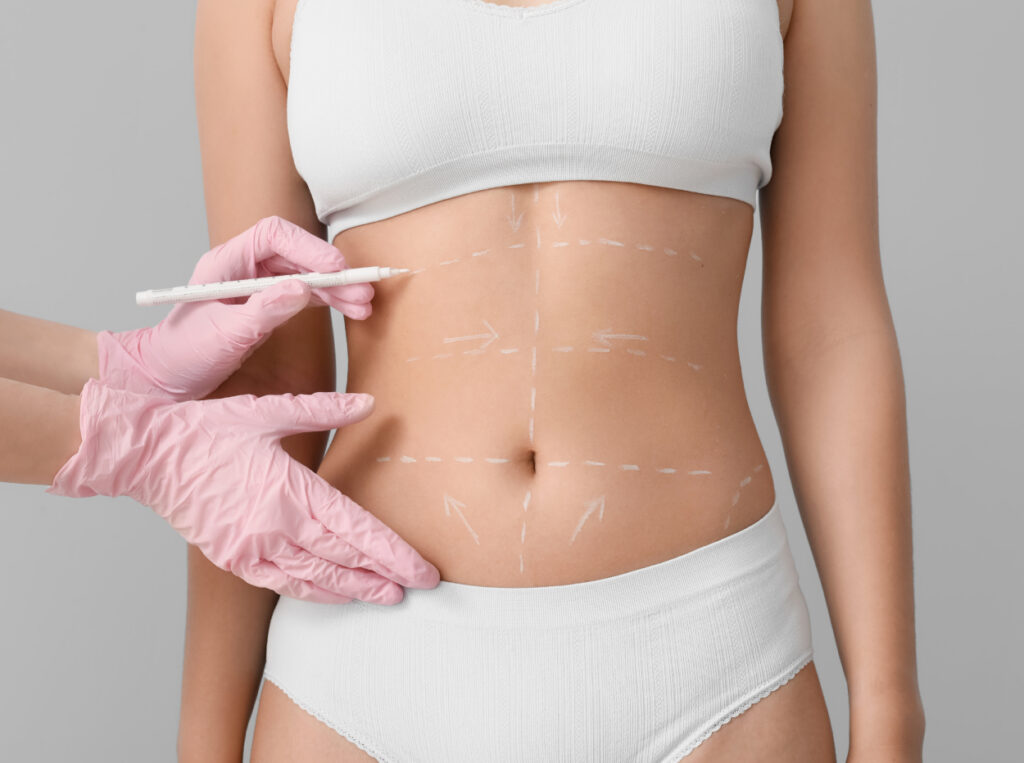
Body shape changes for all kinds of reasons, pregnancy, major weight loss, age, hormonal shifts, even the simple fact that some areas refuse to respond to diet and training. I have seen people arrive at a consultation feeling frustrated because they did everything they were told to do, ate well, moved regularly, stayed consistent for months, and still carried fullness through the abdomen, flanks, upper arms, or under the chin. That disconnect matters. It is not vanity to want your effort reflected in your shape.
That is where body contouring enters the conversation. At its best, body contouring is not about chasing perfection. It is about refining proportion, addressing localized fat, tightening areas that have changed with time, and helping clothing fit in a way that feels more comfortable and predictable. For patients looking into Body Contouring in Michigan, the modern landscape is broader than it was even a decade ago. There are noninvasive treatments, minimally invasive options, and surgical procedures, each with a different recovery profile, price range, and degree of change.
The challenge is not finding a treatment name. The real challenge is figuring out which approach fits your anatomy, your goals, your tolerance for downtime, and your expectations. That judgment is where good outcomes begin.
What body contouring really means
People often use the term body contouring as if it describes one treatment. It does not. It is an umbrella term covering procedures that improve body shape by reducing fat, tightening skin, improving contour transitions, or combining these goals.
For one patient, body contouring might mean a noninvasive treatment for a small pocket of lower abdominal fat after two pregnancies. For another, it could mean liposuction to sculpt the waist and back. For someone who has lost 80 or 100 pounds, it may involve skin removal procedures because the issue is no longer only fat volume. Loose tissue can hang, pull, rub, and make exercise uncomfortable. In that setting, no external device is likely to produce a satisfying result.
This is one of the biggest sources of disappointment in Body Contouring. Patients sometimes choose the gentlest option when their anatomy calls for a more definitive one. It is understandable. Most people would prefer less downtime, lower cost, and no scars. But the body sets some limits. If there is significant skin laxity, stretch damaged tissue, or a larger amount of adipose tissue, treatment has to match the reality of the tissue.
A thoughtful plan starts with three questions. What is the main issue, excess fat, loose skin, or both? How much change is needed for the patient to actually notice and value the result? And how quickly does the patient want to return to work, exercise, and normal life?
Why Michigan patients often ask different questions
Patients in Michigan often frame these decisions through a practical lens. The climate, wardrobe, work routines, and seasonal habits all influence timing and priorities. Someone planning a summer on Lake Michigan may want to start treatment in late winter or early spring, especially if they are considering anything that involves swelling, compression garments, or temporary bruising. Another person may schedule in the fall when layering clothes makes recovery more discreet.
There is also a lifestyle element that comes up frequently in Michigan consultations. Many patients spend long hours sitting, whether they commute, work in health care, manufacturing, education, or office settings. That can shape concerns around the abdomen, flanks, and lower body, and it also affects recovery planning. A person with a desk job may be back to work sooner after certain procedures than someone whose job requires lifting, twisting, or standing for most of the day.
Then there is the reality of seasonal body awareness. It is common for interest in Body Contouring in Michigan to rise as warmer weather approaches, but that timing can be tight. Some treatments take a few months to show their final effect. Swelling from surgery can also take time to settle. Patients who want to feel fully ready by June often do better when they begin the conversation far earlier than they first expect.
Nonsurgical options and where they fit
The appeal of nonsurgical contouring is easy to understand. There are treatments designed to reduce small pockets of fat, stimulate collagen, or improve mild laxity without incisions. These can be useful for patients who are close to their ideal weight and want subtle refinement. They can also work well for people who are not prepared for surgery, either medically, financially, or emotionally.
The important word there is subtle. In experienced hands, nonsurgical options can make a real difference, but usually within a narrower margin. If someone can pinch a modest amount of fat on the lower abdomen or sees a small fullness at the bra line, a noninvasive device may be a reasonable fit. If the concern is a heavier abdominal apron after weight loss, it usually will not be enough.
A common scenario illustrates the point. A patient in her early forties, active, stable weight, two children, comes in bothered by a small lower belly bulge and a mild loss of definition at the waist. She does not want surgery, and she understands she is not trying to look dramatically different. That is often the kind of patient who can be happy with a series of office based treatments, provided she knows the result may be incremental rather than transformative.
The trade-off is time. Nonsurgical plans may require multiple sessions, gradual improvement, and patience. That can suit some patients very well. Others would rather do one procedure with downtime and move on.
When liposuction becomes the better tool
Liposuction remains one of the most effective ways to reshape areas of stubborn fat. It is not a weight loss treatment, and good surgeons say this repeatedly because it matters. The best candidates are usually near a stable, sustainable weight but carry disproportionate fullness in select areas. The abdomen, flanks, outer thighs, inner thighs, upper arms, back, and under chin are common targets.
What liposuction does particularly well is create cleaner transitions. A waist can look more defined. The contour between the bra line and upper back can soften. The lower abdomen can project less. Clothing often fits better after these refinements, which is one reason patient satisfaction can be high when candidacy is appropriate.
That said, liposuction does not magically tighten poor quality skin. If elasticity is decent, the skin may contract nicely after fat removal. If elasticity is limited, removing volume can reveal laxity that was already there but less obvious before. This is where experience matters. A surgeon should be candid about when liposuction alone is likely to succeed and when it may leave someone underwhelmed.
Many patients searching for Body Contouring want to know whether liposuction is worth it compared with repeated noninvasive treatments. The answer depends on volume, goals, and tolerance for recovery. For moderate contour change, liposuction is often more efficient and more noticeable. It also typically comes with bruising, swelling, compression garments, and a recovery period that should not be minimized.
Skin tightening and excisional procedures after weight loss or pregnancy
There is a category of patient that modern marketing often underserves, the person whose main concern is skin, not fat. After pregnancy, the abdominal wall can change, skin can stretch, and the lower abdomen can retain a fold even after someone returns to a healthy weight. After major weight loss, the issue may be loose skin of the https://lorenzotykv179.opalvector.com/posts/body-contouring-in-michigan-what-recovery-really-looks-like abdomen, thighs, arms, chest, or lower back. In these cases, calling every solution body sculpting can blur an important distinction.
If there is a substantial amount of extra skin, excisional surgery may be the option that actually addresses the problem. A tummy tuck, arm lift, thigh lift, or lower body lift can remove redundant tissue and improve contour in ways no external energy device can match. These are more serious procedures, with scars, downtime, and real recovery demands. They are also, for the right patient, life changing.
I have spoken with post weight loss patients who said the physical relief mattered as much as the cosmetic result. Less skin irritation, less pulling during workouts, easier clothing choices, and less self consciousness in everyday settings all count. It is easy to reduce these conversations to appearance, but in practice function and comfort are woven through them.
A careful consultation should also address the abdominal wall. Some patients, especially after pregnancy, have muscle separation that contributes to abdominal projection. If that is present, fat reduction alone may not achieve the flatter profile they expect. Repairing the structure can matter as much as sculpting the surface.
Who tends to be a good candidate
Good candidacy is less about age and more about health, tissue quality, and expectation management. I have seen patients in their late twenties who were poor candidates because their goals were unrealistic, and patients in their sixties who did beautifully because they were healthy, informed, and disciplined about recovery.
Strong candidates usually share a few traits:
- They are close to a stable weight they can realistically maintain.
- They want contour improvement, not a completely different body.
- They understand whether their concern is fat, skin, or both.
- They are healthy enough for the chosen procedure and honest about medical history.
- They can commit to aftercare, follow-up, and realistic recovery time.
Weight stability deserves emphasis. Body contouring works best when it refines a baseline that is not moving much. Significant gain after treatment can blunt or distort results. Significant loss after treatment can uncover new laxity. This is especially relevant for patients on active weight loss plans or newer medications that can produce substantial change over several months. It may be smarter to complete the bulk of weight loss first, then contour.
Smoking and nicotine use are also major considerations, particularly for surgical procedures. They impair healing and raise the risk of complications. Patients sometimes understate this point because they do not want to be delayed. A responsible practice will not treat nicotine use as a minor technicality.
Recovery is where expectations get tested
The treatment itself is only part of the experience. Recovery is where even motivated patients can be surprised. Swelling lasts longer than many people assume. Bruising can travel. Numbness may persist for a while. Compression garments can be inconvenient, especially if the procedure is done in warmer months. And with surgery, the first few days can feel more limiting than patients expected, even when pain is controlled.
This does not mean recovery is miserable. It means it is real. A patient who plans well generally does better emotionally and physically. That includes arranging time off if needed, preparing meals, setting up a comfortable sleeping space, and knowing when normal activities can resume.
For nonsurgical treatments, downtime is usually lighter, but the emotional challenge can be the opposite. Because the procedure feels easy, patients may expect instant change. Many devices work gradually over weeks or months. If that timeline is not clearly explained, people assume something failed when the biology is simply unfolding more slowly.
With surgical Body Contouring in Michigan, weather and season can shape comfort. Compression garments under winter layers may be easier to manage for some people. On the other hand, icy sidewalks and bulky outerwear can make early mobility a little more awkward. There is no perfect season for everyone, only better planning.
Cost, value, and the mistake of shopping by price alone
Cost is a legitimate part of the decision. Noninvasive treatments may look less expensive at first glance, but several sessions can add up quickly. Surgery often has a higher upfront cost, yet may deliver a more substantial change in one episode of care. Neither is automatically the better value. It depends on the anatomy and the result someone is trying to buy.
The cheapest quote is rarely the most useful number. What matters is what is included, the experience of the provider, the setting where the procedure is performed, the extent of aftercare, and whether the recommended treatment actually matches the problem. A discounted treatment that does not address the issue is not a bargain. It is a delay followed by another bill.
I have seen patients spend months cycling through small treatments because each one sounded easier. After enough time and money, they ended up choosing the procedure they probably needed from the start. That does not mean surgery is always the answer. It means honest matching matters more than optimistic selling.
How to choose a provider in Michigan
There is no substitute for credentials, experience, and a consultation that feels specific rather than scripted. A good provider does not just name procedures. They examine tissue quality, discuss trade-offs, review expected scars if relevant, and tell you when your goal is not realistic with a given method. That kind of restraint is often a better sign than enthusiasm.
When comparing providers in Michigan, pay attention to whether they talk about safety as naturally as they talk about results. Ask where the procedure is performed, who administers anesthesia if needed, what the complication protocol looks like, and how follow-up is handled. You want a plan not only for the ideal course, but also for the occasional bump in the road.
Here are a few questions worth bringing to a consultation:
- What exactly is causing the contour I dislike, fat, loose skin, muscle separation, or a combination?
- Which treatment would give the most meaningful result for my anatomy, not just the least downtime?
- What kind of result is realistic in my case after three months and after six months?
- What will recovery actually require in terms of work, exercise, driving, and compression?
- If I choose a less invasive option now, what are the chances I will still want surgery later?
These questions tend to move the conversation away from marketing language and toward practical judgment. They also reveal whether the provider is comfortable discussing limitations.
Results are shaped by biology, not just technique
Even excellent technique works through the filter of individual biology. Skin elasticity varies. Scar quality varies. Swelling resolves at different speeds. Hormonal changes, sleep, stress, medication use, and weight fluctuations all influence the final picture. This is one reason before and after galleries should be interpreted carefully. They can be helpful, but they are not guarantees.
Patience matters more than people think. In liposuction cases, early shape can look better in clothing before it looks fully refined without clothing. In skin tightening cases, collagen remodeling is gradual. After larger surgical procedures, the body needs time to settle. If someone evaluates the outcome too early, they may miss the eventual improvement.
Maintenance also matters. Body contouring can remove fat cells from treated areas or tighten certain tissues, but it does not exempt anyone from future change. Weight gain can still occur, often in untreated areas as well as treated ones. A stable routine with consistent nutrition, movement, and sleep is not a moral requirement, it is simply the practical way to protect the investment.
A modern approach is more personalized, and more honest
The most encouraging shift in this field is not a gadget or a trend. It is the move toward better patient selection and more honest planning. A modern approach to Body Contouring in Michigan should never force every body into the same treatment ladder. Some patients do best with a subtle, noninvasive option because they need only a small change and do not want downtime. Others need liposuction because targeted fat is the main problem. Others need skin excision because no amount of external treatment will remove stretched tissue.
The best outcomes usually come from clear-eyed decisions, not hopeful shortcuts. Patients who understand what their chosen procedure can and cannot do are far more likely to feel satisfied. They recover with less second guessing, judge progress more fairly, and are less vulnerable to the disappointment that comes from mismatched expectations.
Body contouring, when done well, should look like a refined version of you. Clothes sit better. Proportions feel more balanced. The mirror reflects the work you have already put into your health. That is a practical, grounded goal, and for many patients across Michigan, it is a very achievable one.